Source iec compliant indoor busway connectors for factories, warehouses, and data centers
Find 30 listings for iec compliant indoor busway connectors designed for indoor electrical distribution. Buyers can compare specifications like rated voltage, current capacity, and material composition from verified Chinese manufacturers.
Key considerations
Products List
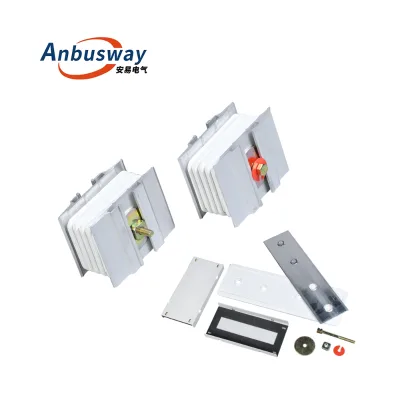
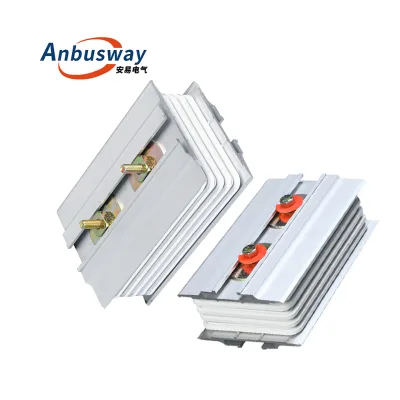


Comprehensive Sourcing Guide
Strategic Sourcing Guide for IEC Compliant Indoor Busway Connectors
Procuring industrial power distribution components requires a rigorous approach to ensure safety, reliability, and operational continuity. For buyers specifically seeking IEC compliant indoor busway connectors, the selection process involves navigating a complex landscape of technical specifications, material compositions, and regulatory standards. The following guide provides a structured framework for evaluating potential suppliers and products, grounded in observable market data and verified industry practices. This analysis focuses on the critical attributes that define high-performance busway systems, ensuring that procurement decisions are based on factual evidence rather than unverified marketing claims.
Technical Specifications and Material Composition
The foundation of any reliable busway connector system lies in its technical specifications and the materials used in its construction. When sourcing indoor busway connectors, buyers must prioritize the rated voltage and current capacity, as these parameters dictate the system's ability to handle electrical loads without overheating or failure. Based on available product data, high-capacity systems often feature a rated voltage of 690V and can support rated currents up to 2500A. These figures are critical for industrial applications where power density is high and continuity is paramount.
Material selection is equally vital. The conductor material typically consists of Copper (CU), which offers superior conductivity and durability compared to alternative metals. The structural housing often utilizes Aluminum Alloy, providing a balance of lightweight properties and mechanical strength. This combination ensures that the busway can withstand the thermal expansion and contraction cycles inherent in electrical operations. Furthermore, the terminal material is frequently specified as Copper to ensure low-resistance connections at the junction points. Buyers should verify that the specified materials match the intended application environment, as the conductivity and thermal properties of the materials directly influence the efficiency and lifespan of the power distribution system.
The physical dimensions and cross-sectional area of the conductors also play a significant role in performance. Specifications may vary, with conductor sizes ranging from 26 to 16 AWG and cross-sections between 0.14 and 1.5 mm² for specific connector types. However, for main busway applications, the dimensions are often customizable to fit specific project requirements. The ability to customize size and model numbers, such as the SU201~SU300 series or specific model identifiers like 13, 14, 09, and 03, allows for tailored solutions that meet unique architectural and electrical constraints.
Compliance and Certification Verification
In the realm of electrical infrastructure, compliance with international standards is non-negotiable. The core keyword "IEC compliant" indicates that the product must adhere to the International Electrotechnical Commission standards, which serve as the global benchmark for electrical safety and performance. Specifically, the Connection Standard IEC 61439-7-1 is a relevant reference for busway systems, ensuring that the components meet rigorous testing protocols for short-circuit withstand and thermal stability.
When evaluating suppliers, buyers must demand verifiable documentation of certifications. The presence of CB certification and explicit IEC compliance are strong indicators of a product's adherence to safety norms. Additionally, some products may reference ISO interface types, suggesting a level of standardization in manufacturing processes. It is crucial to distinguish between general compliance claims and specific, documented certifications. Buyers should request copies of the CB certificates and verify that the specific model number in question is covered under the certification scope.
While other standards such as UL 857 or IEC 61439-1 may be relevant in certain regional markets or specific application contexts, the primary focus for this sourcing guide remains on IEC compliance. The certification status should be clearly stated in the product documentation, and any ambiguity regarding the scope of the certification should be resolved before proceeding with a purchase. The absence of a specific certification does not necessarily imply non-compliance, but it does require a deeper investigation into the manufacturer's quality assurance processes and testing records.
Cost Drivers and Pricing Dynamics
Understanding the cost drivers for busway connectors is essential for budgeting and financial planning. The price of these components is influenced by several factors, including the material composition, the level of customization required, and the complexity of the manufacturing process. The use of high-purity Copper and Aluminum Alloy contributes significantly to the base cost, as these are premium materials with fluctuating market prices.
Customization is a major cost variable. Products offering "On demand processing" or "Available" customization options often carry a premium compared to standard off-the-shelf items. The ability to tailor the model number, size, and color (such as RAL7031, RAL7035, or RAL7032) adds value but also increases the unit price. Buyers should be aware that the observed price range in the market can be vast, spanning from as low as $0.03 for small accessories to $9999 for complete, high-capacity systems. This wide range underscores the importance of defining exact requirements before requesting quotes.
Minimum Order Quantity (MOQ) is another critical factor affecting the total cost of ownership. The observed MOQ range varies from 1 to 5000 units, depending on the supplier and the specific product configuration. For small-scale projects, suppliers with low MOQs are preferable, whereas large industrial projects may benefit from the economies of scale offered by higher volume orders. Additionally, the lead time, which can be around 4 weeks for customized items, impacts the overall project timeline and may necessitate earlier procurement planning to avoid delays.
Typical Applications and Environmental Considerations
Indoor busway connectors are designed for specific environments where safety, space efficiency, and reliability are prioritized. The primary application for these systems is indoor power distribution, where they serve as the backbone for electrical supply in commercial buildings, industrial facilities, and data centers. The IP54 protection level indicates that the connectors are protected against dust and water jets, making them suitable for environments that may experience occasional moisture or dust accumulation, though they are not intended for outdoor exposure.
The application scope extends to various electrical components, including cables and PCBs, where the connectors facilitate secure and efficient power transmission. The mounting type, typically DIN Rail, allows for easy installation and maintenance within control panels and distribution cabinets. The interface type, specified as AC/DC, ensures compatibility with a wide range of power sources and loads.
Environmental protection is another consideration, with some products classified as having "General" environmental protection features. This suggests that the materials used are resistant to standard industrial conditions but may not be suitable for extreme chemical or corrosive environments without additional protective measures. Buyers should assess the specific environmental conditions of their installation site to ensure that the selected busway connectors will perform reliably over the long term.
Supplier Evaluation and Production Capabilities
Selecting the right supplier is as important as selecting the right product. Buyers should evaluate potential suppliers based on their production history, manufacturing capabilities, and after-sales support. A supplier with a factory history of more than 20 years is likely to have established quality control processes and a deep understanding of the industry's challenges. This experience often translates into more consistent product quality and better problem-solving capabilities.
The production process is another key indicator of supplier reliability. Methods such as Injection Molding for certain components and Pressure Welding for contact termination demonstrate a commitment to precision manufacturing. These processes ensure that the connectors are robust and capable of withstanding the mechanical and electrical stresses of operation. Buyers should inquire about the specific production techniques used and verify that they align with industry best practices.
Market occupancy and customer satisfaction are also relevant metrics. A supplier claiming a market occupancy of more than 60% suggests a strong track record and widespread acceptance of their products. However, this figure should be treated as an observation rather than a guaranteed claim. The most reliable indicator of supplier quality is the availability of good after-sales service, which includes technical support, warranty coverage, and responsive communication. A warranty period of 2 years is a standard offering that provides buyers with a safety net against manufacturing defects.
Quality Control and Long-Term Procurement Strategies
Quality control is the final line of defense against product failure. Buyers should implement a rigorous quality assurance plan that includes pre-shipment inspections and post-delivery testing. The packaging of the products, often in wooden cases or cartons with specific internal packaging like 25 pieces per bag, plays a role in protecting the components during transit. Ensuring that the packaging meets the required standards helps prevent damage and maintains the integrity of the connectors.
For long-term procurement, buyers should consider the scalability and flexibility of their supply chain. The ability to customize products on demand allows for future expansion and adaptation to changing electrical needs. The standard of 25 pieces per carton and the metal connection standard provide a framework for efficient logistics and inventory management.
In conclusion, sourcing IEC compliant indoor busway connectors requires a comprehensive understanding of technical specifications, compliance requirements, cost factors, and supplier capabilities. By focusing on verified facts and adhering to a structured evaluation process, buyers can make informed decisions that ensure the safety and reliability of their electrical infrastructure. The integration of high-quality materials, adherence to international standards, and partnership with experienced suppliers forms the cornerstone of a successful procurement strategy.
FAQs
What is the rated voltage for these indoor busway connectors?
The rated voltage is 690V for high-capacity systems. This specification ensures the components can handle significant electrical loads without overheating in indoor industrial environments.
Which materials are used for the conductors and housing?
Conductors typically use Copper (CU) while the housing utilizes Aluminum Alloy. This combination provides superior conductivity and mechanical strength to withstand thermal expansion cycles.
Can these connectors be customized for specific project needs?
Yes, customization is available on demand for size and model numbers. Buyers can request specific dimensions or colors like RAL7031 to fit unique architectural and electrical constraints.
What certifications verify the safety and compliance of the product?
The products carry CB certification and are explicitly IEC compliant. These documents verify adherence to international safety norms and rigorous testing protocols for short-circuit withstand.
How long is the lead time for customized orders?
The standard lead time for customized items is approximately 4 weeks. This duration accounts for the on-demand processing required to tailor specifications like model numbers and sizes.
What is the minimum order quantity for purchasing these connectors?
The minimum order quantity ranges from 1 to 5000 units depending on the supplier. Small projects may find low MOQ options while large industrial projects benefit from volume discounts.
What protection level do these indoor busway connectors offer?
The protection level is IP54, safeguarding against dust and water jets. This makes them suitable for environments with occasional moisture or dust accumulation but not for outdoor exposure.
Which warranty period is typically provided for these components?
A standard warranty period of 2 years is offered against manufacturing defects. This provides buyers with a safety net and indicates the supplier's confidence in product durability.